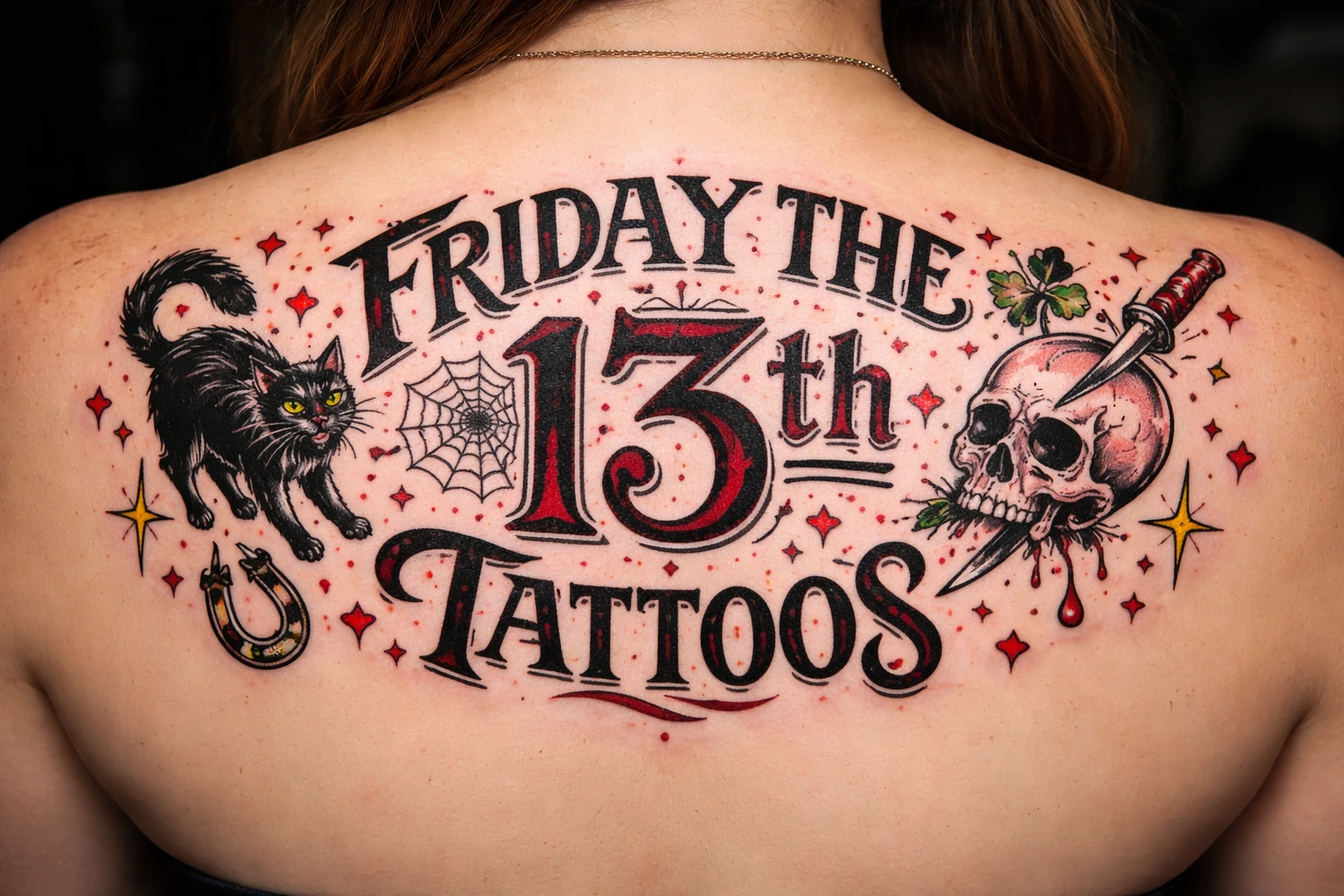
Friday the 13th Tattoos: The History Behind the Famous Date
Key takeaways
- The real history behind the Friday the 13th superstition
- The Dallas roots of the Friday the 13th tattoo tradition
- Why flash tattoos define the day
- Why the tradition still matters in tattoo culture today
For decades, Friday the 13th tattoos have held a unique place in tattoo culture. What began as a superstition-defying ritual inside a small handful of American tattoo shops has grown into a globally recognized tattoo tradition.
While many people associate Friday the 13th with bad luck, tattoo culture has long treated the date differently. To understand why, it is helpful to examine the origins of the superstition and how tattoo artists have reclaimed it.
What’s the Deal with Friday the 13th?
The belief that Friday the 13th is unlucky predates tattoo culture by centuries. Western superstition around the number 13 is often linked to religious symbolism, including the Last Supper, where Judas was the thirteenth guest. Fridays themselves were also historically associated with misfortune, executions, and bad omens.
Over time, those two ideas merged into a single date. As Slate noted in a 2023 deep dive on the subject, the fear of Friday the 13th became less about any single event and more about cultural repetition; a superstition reinforced simply by being repeated often enough.
Tattoo culture, however, has never been particularly interested in avoiding bad luck.
How the Friday the 13th Tattoo Tradition Began
The modern Friday the 13th tattoo tradition is widely traced back to the mid-1990s near Deep Ellum in Dallas, Texas, where tattoo artist and owner of Elm Street Tattoo, Oliver Peck, hosted a 24-hour tattoo marathon, which turned into what is now considered one of the first major Friday the 13th tattoo events.
Coincidentally, one of our Loyalty Tattoo artists, Damian Reign, got his start in Deep Ellum many years ago. Check out his work.
According to reporting from KXAN, Peck and his shop turned the supposedly unlucky date into a 24-hour tattoo marathon, offering small, affordable tattoos centered around the number 13 and classic superstition imagery. The event wasn’t designed as a gimmick; it was positioned as a deliberate reclaiming of the date, flipping fear into participation.
What made the idea spread wasn’t just the price or the novelty. It was the sense that getting tattooed on Friday the 13th meant taking part in something shared.
808.261.8287
Why Flash Tattoos Became Central to the Tradition
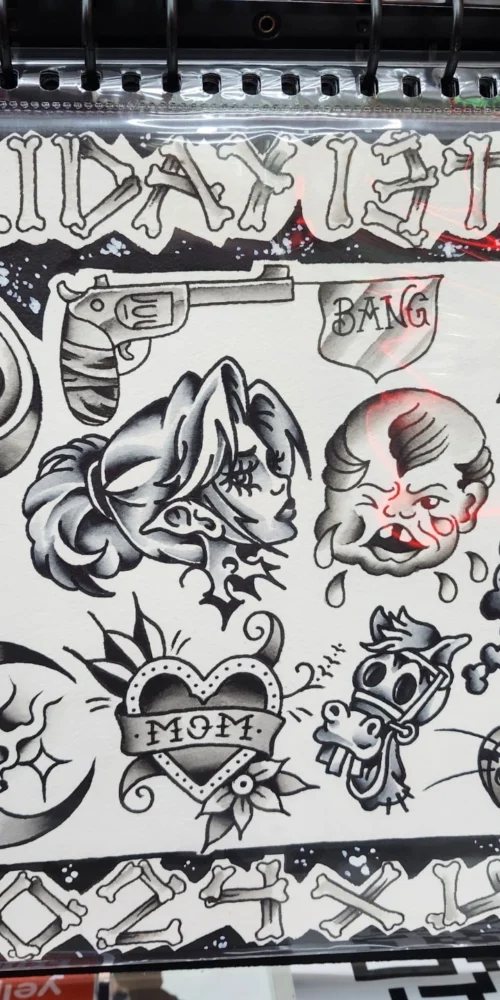
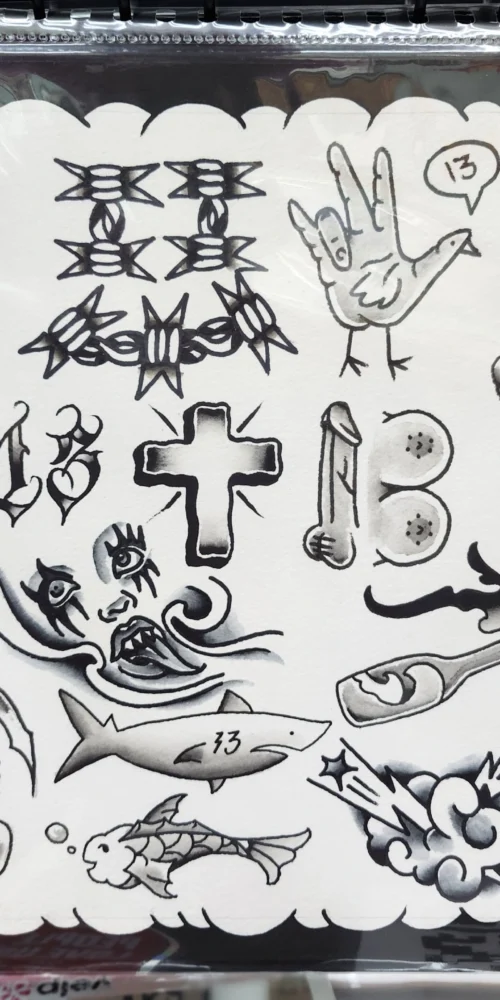
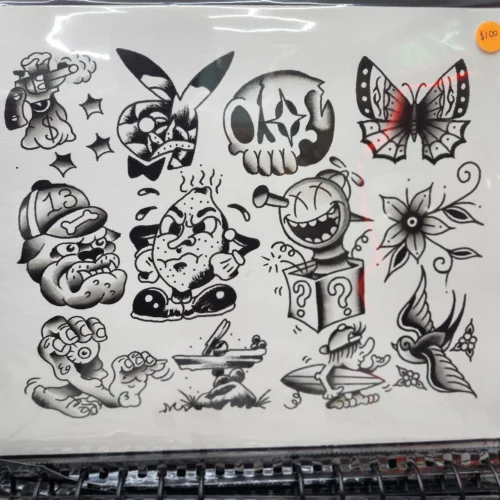
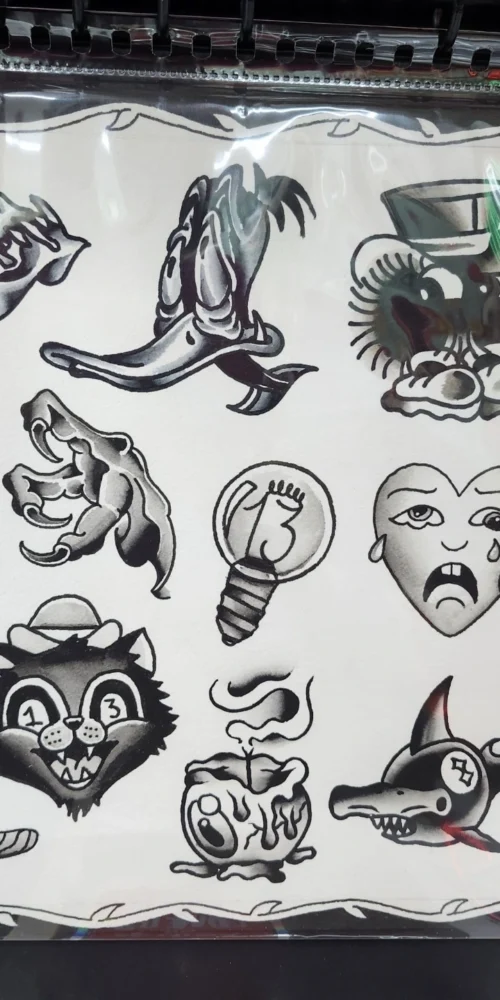
From the beginning, flash tattoos played a crucial role in the Friday the 13th events. Instead of custom consultations, artists prepared sheets of simple, repeatable designs. Often featuring the number 13, ghosts, daggers, skulls, hearts, or other symbols tied to luck and superstition.
USA Today has described Friday the 13th as one of the busiest days of the year for tattoo shops, comparing it to a “Black Friday” for tattoo culture. The enthusiasm behind the date is not sales-driven, but participation-driven. Flash made that possible. It allowed dozens, or even hundreds, of people to participate in the same tradition, each leaving with a permanent mark of the day.
The simplicity is the point.
From Counterculture Ritual to Tattoo Tradition
As tattooing became more accepted in mainstream culture, Friday the 13th tattoos didn’t fade; they expanded. What began in a handful of American shops spread nationally, then internationally, carried by artists who trained, traveled, and shared stories from shop to shop. Some shops would allow guests to roll dice to determine their tattoo fate, and some use a gumball machine to make the choice.
Slate notes that the endurance of the tradition comes from its roots in tattoo culture rather than marketing. Even as social media amplified Friday the 13th events, the underlying appeal stayed the same: symbolism and community.
For many collectors, a Friday the 13th tattoo isn’t their most elaborate piece, but it can be one of the most meaningful.
Why Friday the 13th Tattoos Still Matter Today
In an era where tattoos are more visible and accepted, Friday the 13th tattoos remain popular precisely because they resist perfection. They’re intentionally small. Intentionally simple. Intentionally imperfect.
They represent:
- Embracing superstition instead of fearing it
- Honoring tattoo culture’s working-class, shop-floor roots
- Participating in a tradition bigger than any single design
Even for people covered in custom work, a Friday the 13th tattoo often feels different, less about aesthetics, more about belonging.
A Tattoo Tradition Bigger Than the Day
At its core, the Friday the 13th tattoo tradition is about reclaiming meaning. Tattoo artists took a date defined by fear and turned it into something creative, social, and enduring.
As KXAN, USA Today, and Slate have each documented from different angles, the tradition persists not because it’s cheap or trendy, but because it reflects something tattoo culture has always valued: community, symbolism, and the willingness to challenge superstition with ink.
Loyalty Tattoo is offering Friday the 13th flash tattoos for anyone who walks into the shop on Friday, February 13th. Check out our custom flash and reclaim the day.
Our Google reviews
808.261.8287