How Tattoo Machines Work And Why It Matters for Your Tattoo
Key takeaways
- Tattoo machines place ink into the dermis using rapidly moving needles.
- Modern artists commonly use rotary or coil machines depending on their preferences.
- Proper needle depth and technique are essential for long-lasting results.
- Great tattoos come from skilled artists, not just great equipment.
- Experience, cleanliness, and communication matter most when choosing a tattoo shop.
Most people know that tattoo machines move needles up and down, but few understand what is actually happening during the tattooing process. Whether you’re preparing for your first tattoo or adding to a growing collection, understanding how tattoo machines work can give you a greater appreciation for the skill and precision behind every piece.
Modern tattoo machines are designed to place ink into the skin quickly, consistently, and safely. While the machine itself is an important tool, the quality of a tattoo ultimately comes down to the artist using it.
Here’s a closer look at how tattoo machines work and why they play such an important role in creating great tattoos.
What Does a Tattoo Machine Actually Do?
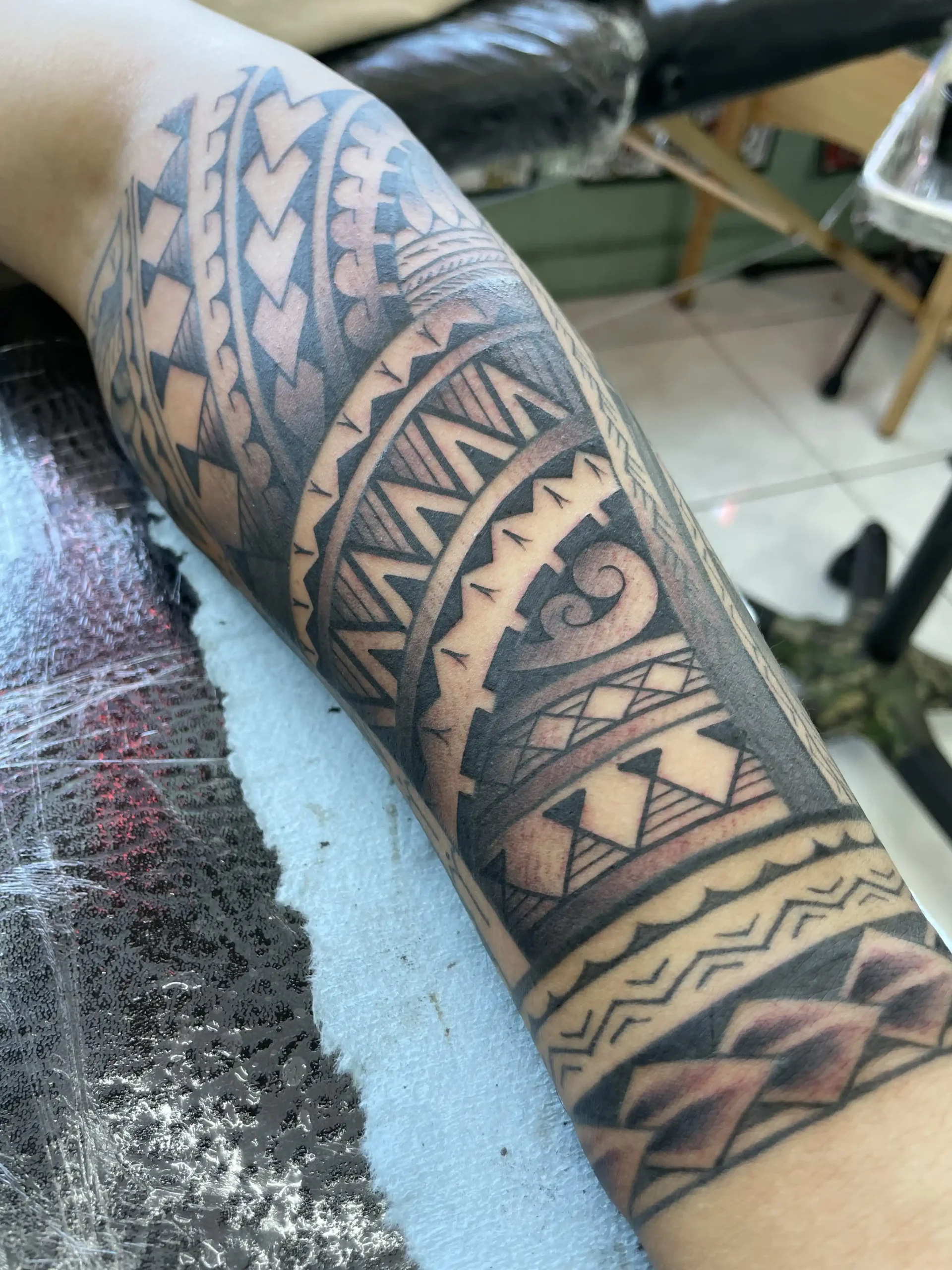
At its core, a tattoo machine moves a group of needles in a rapid, controlled motion. These needles carry tattoo ink beneath the skin’s surface into the dermis, the layer where tattoos become permanent.
As the needles move, they create thousands of tiny punctures that deposit ink at a consistent depth. While the process sounds simple, achieving clean, consistent results requires a combination of precision equipment and years of experience.
808.261.8287
The Main Parts of a Tattoo Machine
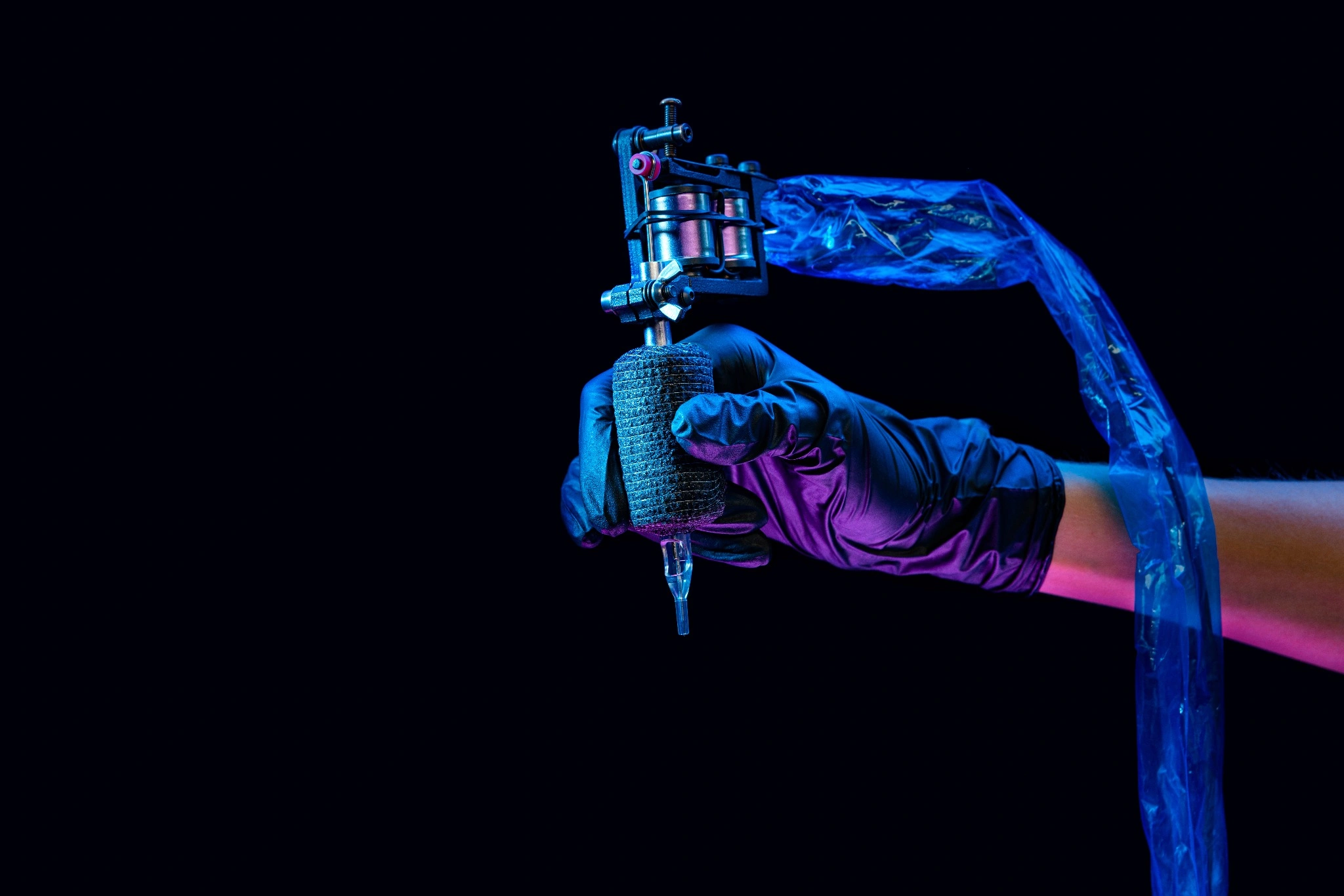
Although tattoo machines come in different styles and configurations, most modern setups include several key components.
Machine Body
The machine body serves as the framework that holds all of the working components together. It provides stability and helps artists maintain control during the tattooing process.
Motor
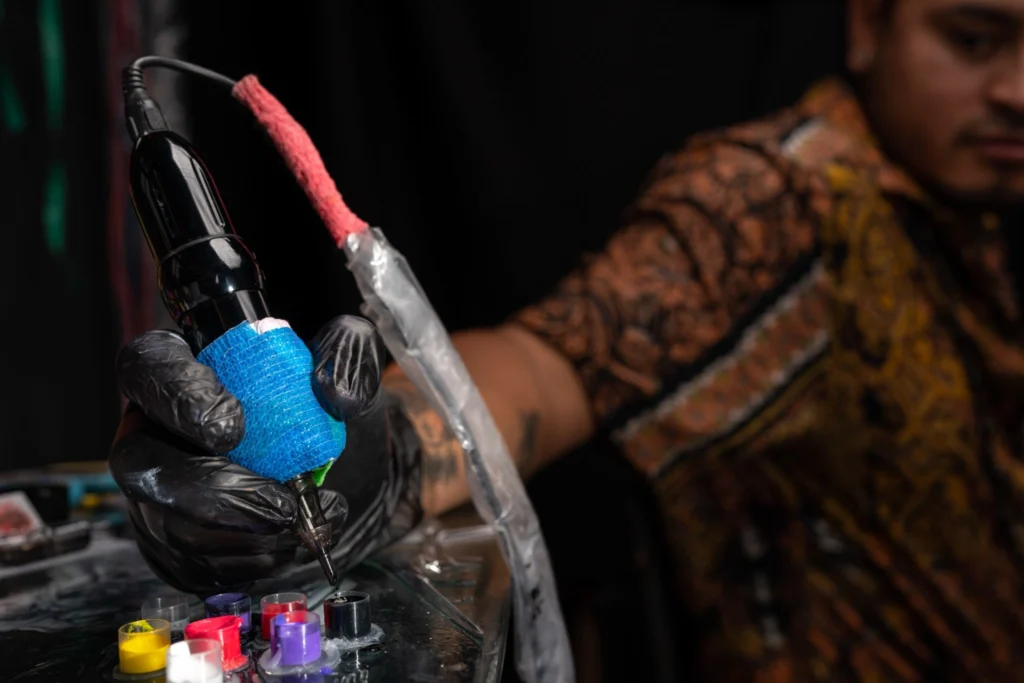
In most modern rotary machines, a small electric motor drives the needle cartridge. The motor converts electrical energy into the rapid movement needed to tattoo effectively.
Needle Cartridge
The cartridge contains the needles used during the tattoo. Different needle configurations are designed for specific purposes, including lining, shading, and color packing.
Grip
Winning an award was certainly a highlight, but being part of that community is what makes the event special year after year.
Power Supply
The power supply controls the amount of electricity sent to the machine. Artists can adjust voltage settings to achieve different speeds and performance characteristics depending on the tattoo they’re creating.
Rotary vs. Coil Tattoo Machines
If you’ve ever watched videos of tattooing, you’ve probably noticed that not all tattoo machines look the same.
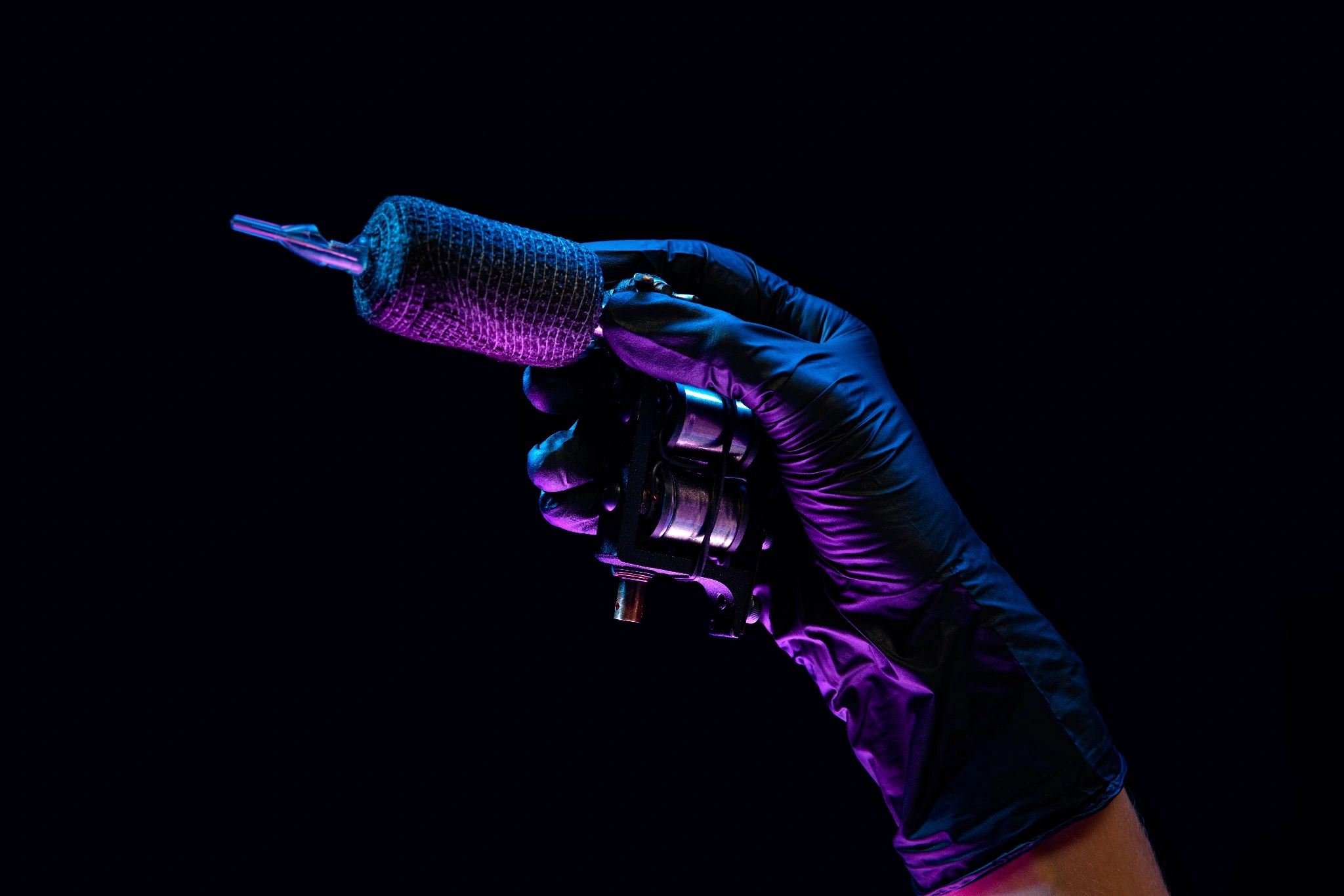
For decades, coil machines were the industry standard. These machines use electromagnetic coils to create rapid needle movement. Coil machines are known for their distinctive buzzing sound and remain popular among many traditional tattoo artists.
Today, many artists also use rotary machines. Rotary machines rely on electric motors rather than electromagnetic coils, resulting in smoother operation, lighter weight, and quieter performance.
Neither style is automatically better than the other. Different artists develop preferences based on their techniques, experience, and the type of work they create.
How Fast Does a Tattoo Machine Move?
One of the most surprising facts about tattooing is how quickly tattoo machines operate.
Depending on the machine setup and artist preferences, tattoo needles can move hundreds of times per second. This rapid movement allows artists to create clean lines, smooth shading, and consistent color saturation throughout a tattoo.
While speed is important, consistency matters even more. Maintaining proper needle depth, hand speed, and machine settings requires experience and technical skill that only come through practice.
Great Tattoos Start With Great Artists
Tattoo machines have evolved significantly over the years, but one thing has remained the same: the machine is only as good as the artist using it.
From understanding needle depth and skin anatomy to creating clean lines and smooth shading, professional tattooing requires knowledge, patience, and craftsmanship. The machine is simply the tool that helps bring an artist’s vision to life.
At Loyalty Tattoo Kailua, our artists combine experience, creativity, and professional equipment to create tattoos designed to look great from day one and for years to come.
If you’re thinking about your next tattoo and have questions about the process, stop by the shop or reach out to our team. We’re always happy to help you learn more about the art and craft of tattooing.
Check out our Google reviews
808.261.8287